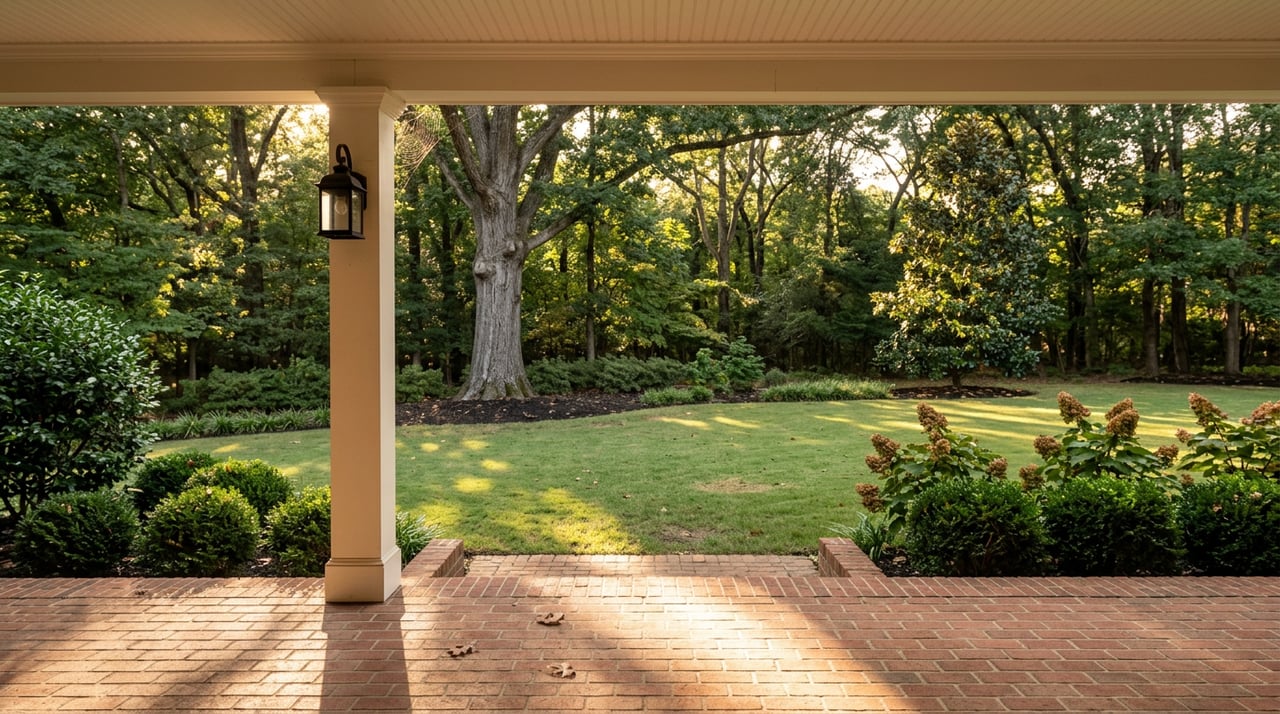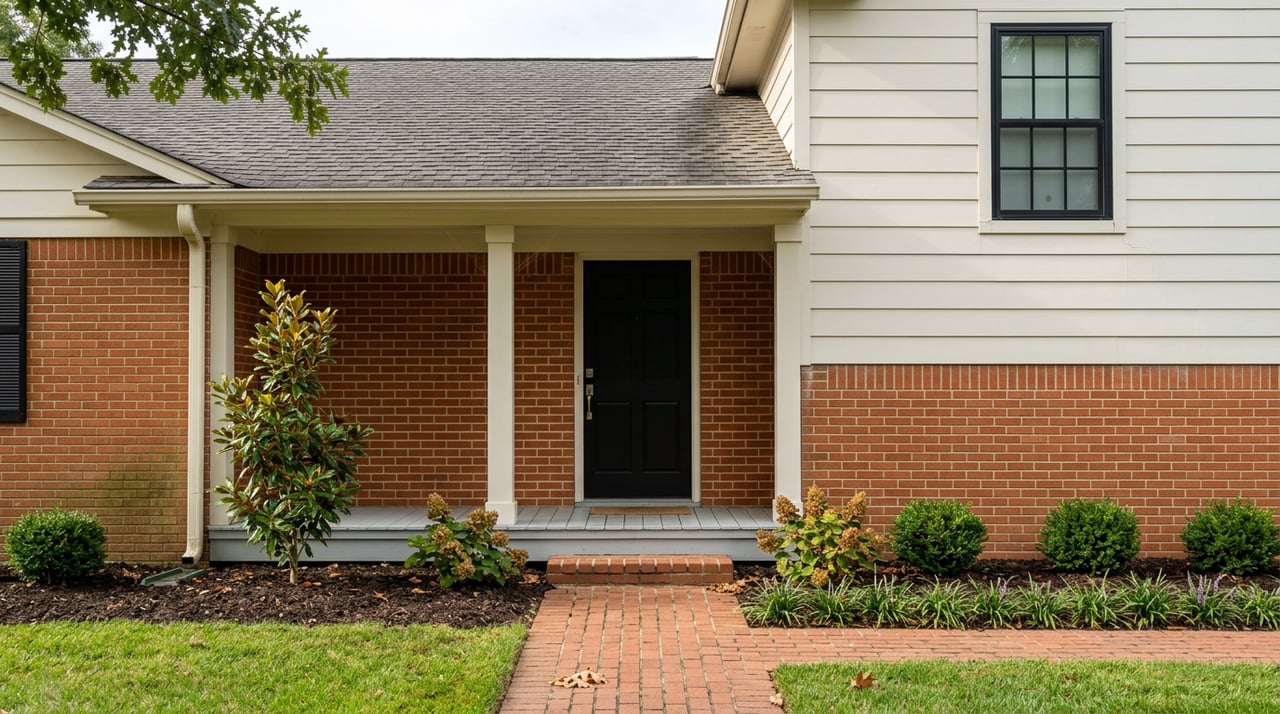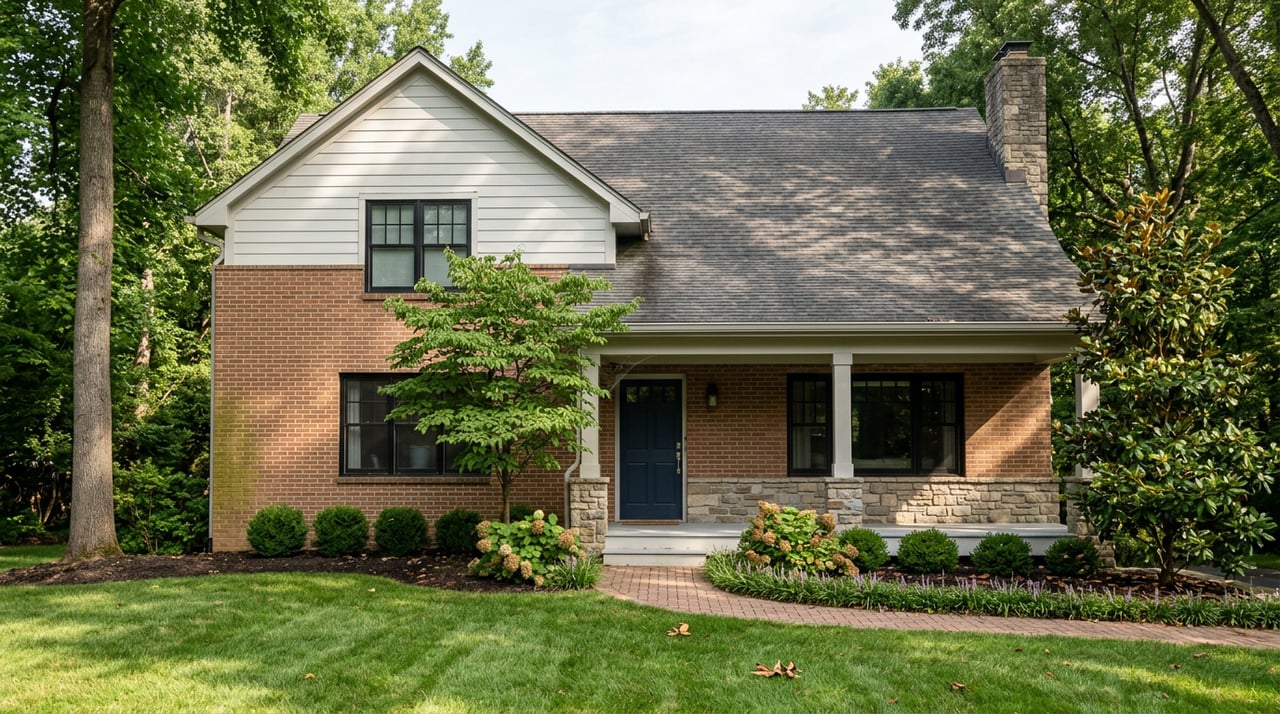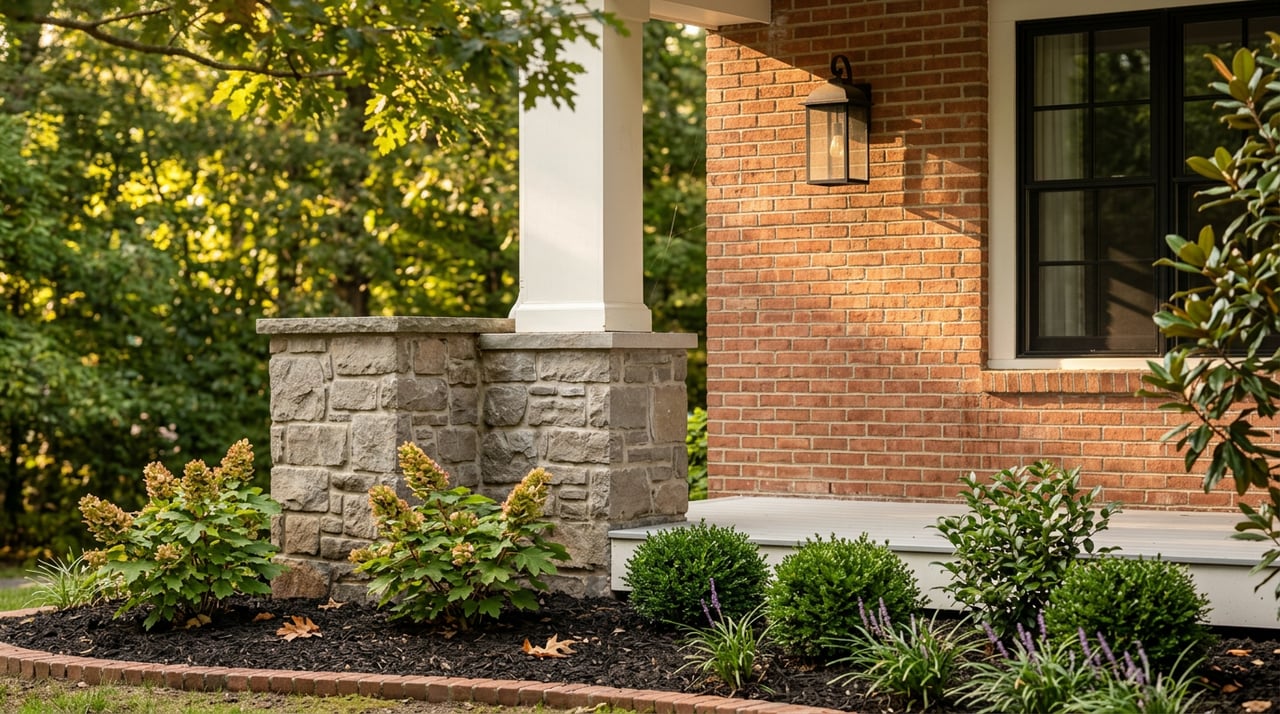
Thinking about a home in Baxter Village and wondering how the HOA works? You are not alone. HOAs shape daily life, from what you can build to how much you pay and which amenities you enjoy. In this guide, you will learn how Baxter Village associations are set up, what rules and fees to expect, how amenities fit into value, and a clear checklist to protect your purchase. Let’s dive in.
HOA structure in Baxter Village
Baxter Village in York County is a master-planned, mixed-use community. That usually means more than one association is involved in managing the neighborhood and its amenities. Understanding who does what will help you budget and plan projects with fewer surprises.
Master association
The master association typically oversees community-wide amenities and standards. That can include pools, a clubhouse, trails and greenways, and landscaped common areas. It also enforces community-wide covenants and may review changes that affect the overall streetscape or common areas.
Sub-associations
Within Baxter Village, individual neighborhoods or building types often have their own sub-associations. These sub-associations handle lot-level rules, exterior maintenance standards, and neighborhood-specific items. Townhomes or condos, if present, often have sub-associations with separate assessments and maintenance responsibilities.
Governance basics
Each association is led by a homeowner-elected board of directors. Boards adopt budgets, hire management companies, and set policies. You can expect annual meetings, budgets, financial reports, and periodic reserve studies to plan for long-term repairs.
Architectural rules and approvals
Baxter-style covenants and architectural guidelines are designed to keep the neighborhood consistent and well maintained. If you like a cohesive look and predictable curb appeal, you may find this helpful. If you prefer complete freedom, the rules can feel restrictive.
What guidelines cover
Architectural standards often address:
- Exterior materials, roof replacements, and paint colors
- Fences, retaining walls, and landscaping changes
- Driveways, parking, and vehicle storage
- Additions, pools, patios, sheds, and other exterior structures
- Satellite dishes, antennas, solar collectors, exterior lighting, and signage
Many projects require written approval from an Architectural Review Committee (ARC or ACC). You will usually submit plans, materials, and color samples before work starts.
ARC and ACC timelines
Most communities state a maximum review window, often around 30 days. Real timing can vary by workload and meeting schedules. The safest approach is to ask the management company for the current timeline before you plan contractors or order materials.
Enforcement and appeals
If work begins without approval, the association can issue violation notices and fines, and may require changes or removal. Associations often have a formal appeal process described in the rules. For unpaid fines or assessments, an association can pursue collection and place a lien. In South Carolina, an association’s declaration and state law define remedies, and you should consult an attorney for legal guidance.
Fees and what they cover
Your total HOA cost in Baxter Village may include both master association dues and any sub-association assessments. The amounts and billing frequency can differ by home type and location.
Types of assessments
- Regular assessments: Monthly, quarterly, or annual dues to fund operations and services.
- Special assessments: One-time charges for unexpected projects or shortfalls.
- Transfer or resale fees: Administrative fees collected at closing.
- Fines or late fees: For rule violations or late payments.
Budget, reserves, and transparency
Assessments typically fund maintenance of shared amenities, common-area landscaping and lighting, liability and property insurance for common areas, management, legal and accounting, and reserve contributions. Strong associations complete reserve studies to plan for major repairs. A healthy reserve helps prevent surprise special assessments.
Confirm your exact exposure
The most reliable way to confirm dues and any pending charges is an estoppel certificate from the association or its management. You should also review the current budget, recent financials, and the most recent reserve study. Ask about any planned capital projects and the history of fee increases.
Amenities and value
Baxter Village is known for lifestyle features that many buyers value. The master-planned design typically supports walkability, a village center, and community programming.
Benefits you enjoy
- Community pools, clubhouse, and trails for easy recreation
- Professionally maintained streetscapes and common areas for consistent curb appeal
- Events and programming that encourage connection and convenience
Tradeoffs to weigh
- More amenities can translate to higher recurring fees
- Rules on use, hours, guests, or design may limit flexibility
- Major upgrades or underfunded reserves can lead to special assessments
A simple test: consider how often you will use each amenity and whether that aligns with the HOA costs.
Due diligence checklist for buyers
Doing your homework upfront can save you stress and money later. Use this list during your offer and inspection periods.
Documents to request
- Full recorded declaration and any amendments (CCRs)
- Bylaws and rules and regulations
- Architectural guidelines and ARC application forms with timeline
- Current budget, recent financial statements, and the latest reserve study
- Board and association meeting minutes for the past 12 to 24 months
- Estoppel certificate showing dues, payment status, and any special assessments or liens
- Management agreement if a professional manager is used
- Insurance summary for association coverage
- Disclosure of any pending or threatened litigation
Smart questions to ask
- What exactly do master and sub-association fees cover for this home?
- Are any special assessments or large projects planned in the next 1 to 5 years?
- What is the reserve balance and date of the last reserve study?
- Are rentals capped or are short-term rentals restricted?
- What is the ARC approval process and expected turnaround time?
- How are violations handled and what is the appeals process?
- Has the association faced recent litigation or large insurance claims?
Practical steps
- Make delivery of the HOA package and estoppel a contract contingency
- Have your closing attorney or title company check for recorded liens or assessments
- If possible, speak with residents and attend a community event or board meeting
- Hire a home inspector, and for townhomes or condos, ask for building-level maintenance records
Compare Baxter Village to nearby options
If you are weighing Baxter Village against other Fort Mill or York County neighborhoods, use consistent criteria so you can compare apples to apples.
- Amenities versus cost: List the included amenities and the monthly or quarterly fee
- Restrictiveness of CCRs: Note parking, rental, pet, and architectural limits
- Walkability and mixed-use: Baxter’s village-center feel compared to traditional subdivisions
- Product mix: Single-family, townhomes, and condos affect buyer pool and resale dynamics
- Financial health: Reserve funding level, fee increase history, and special assessment history
- Access rules: Owner-only access, guest policies, and facility rental rules
Tip: Create a simple one-page comparison for each community so you can make a clear decision.
How to get official documents
You can request governing documents and financials from the association office or its management company, as well as from the seller, closing attorney, or title company. The county Register of Deeds keeps recorded declarations and amendments. Ask for the most recent versions and confirm that any policies you read are current.
The bottom line for Baxter Village buyers
Baxter Village offers a strong lifestyle proposition thanks to walkable design, maintained streetscapes, and community amenities. In return, you accept rules and ongoing fees that support that experience. If you review the CCRs, confirm fees with an estoppel, and check reserves and planned projects, you can move forward with confidence.
If you want a clear read on how a specific Baxter Village home’s HOA setup and dues will affect your budget and plans, reach out. With local expertise across Fort Mill and York County, Laura Arthur can help you compare communities, review documents, and negotiate a smart purchase. Work With Laura.
FAQs
How do Baxter Village buyers find exact HOA dues?
- Request an estoppel certificate from the association or its management; the seller’s disclosure can help, but the estoppel is definitive.
What do Baxter Village HOA fees usually cover?
- Common-area maintenance, amenities like pools and trails, association insurance for common areas, management costs, legal and accounting, and reserve contributions.
Can an HOA require changes to my property after purchase?
- Associations can enforce current CCRs and may require corrections if a feature is noncompliant; remedies and timelines are set in the documents.
What happens if HOA dues are not paid in South Carolina?
- Associations typically apply late fees and interest, can place a lien, and may pursue further collection; the declaration and state law govern remedies.
Are HOA rules the same as laws in Baxter Village?
- CCRs are recorded covenants that run with the land and are enforceable contracts you accept when you take title to the property.
How long does ARC approval usually take in Baxter Village?
- Many sets of guidelines specify a review period around 30 days, but actual timing varies; ask the management company for current expectations.
Are short-term rentals restricted in Baxter Village?
- Rental rules vary by association; check the CCRs for caps, minimum lease terms, and any short-term rental prohibitions before you buy.