If you are looking at home values in River Hills, the lake is not just part of the backdrop. It is one of the biggest forces behind pricing. Whether you are buying, selling, or simply trying to understand what makes one home worth more than another, it helps to know how Lake Wylie influences demand, features, and buyer decisions. Let’s dive in.
Why Lake Wylie Matters in River Hills
River Hills is a gated, lake-oriented community on the shores of Lake Wylie in York County. It spans more than 800 acres and includes nearly 1,100 homes, with property types ranging from condos and patio homes to lakefront estates.
That matters because buyers are not just shopping for a house here. They are often shopping for a lifestyle tied to water access, lake views, and community amenities. In a neighborhood built around the lake, those benefits can shape value in very different ways from one property to the next.
Lake Wylie itself is a large Duke Energy-managed reservoir with about 13,443 acres of surface water and 325 miles of shoreline. Even with that scale, direct shoreline access is still limited. In practical terms, that scarcity tends to make true waterfront opportunities stand out.
Lake Value Comes in Tiers
Not every River Hills home gets the same boost from the lake. In most cases, the market treats homes in separate value tiers based on how much lake benefit they actually offer.
A helpful way to think about it is this:
- Waterfront homes usually sit in the strongest value tier
- Dockable waterfront homes may command an even stronger premium
- Lake-view homes often carry value based on the quality of the view
- Interior homes may still benefit from the lake lifestyle through shared amenities
This is why comparing one River Hills sale to another without looking closely at water access or view quality can be misleading. A home near the water is not automatically valued the same as a home on the water.
Waterfront Access Often Has the Strongest Impact
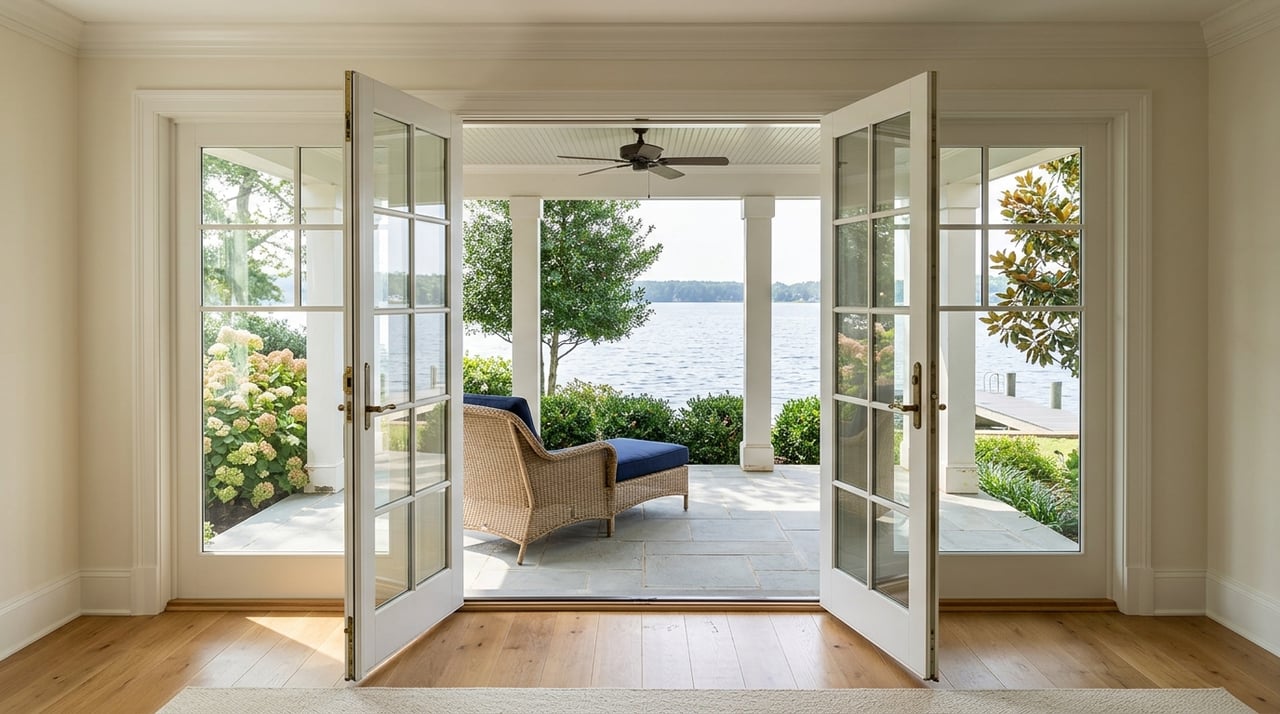
When a property offers direct access to the water, buyers usually see that as a major advantage. Research on a South Carolina lake found that the ability to build and use a dock created a statistically significant price premium of nearly 45% compared with undockable properties.
That does not mean every waterfront lot in River Hills will follow the same percentage. Still, the broader takeaway is clear. Usable waterfront and dock potential tend to carry more weight than simple proximity to the shoreline.
Earlier housing research also found that lakefront location, distance to the lake, and scenic view were all significant contributors to price. In that study, about 22% of housing price was tied to the recreational and aesthetic component.
For you as a buyer or seller, this means the question is not just, “Is it near the lake?” The better question is, “What kind of access does this property really have?”
Dockability Can Change the Value Story
In River Hills, a dock is not just a nice extra. It can be a major value driver, but it is also a regulated feature.
Duke Energy requires property owners to follow a permit process before making changes to docks, piers, shoreline stabilization, dredging, or similar shoreline projects on its lakes. Its lake-use resources also address permit transfer and buyer-seller questions tied to shoreline structures.
That means a home with an existing dock or dock potential may deserve extra attention during pricing and due diligence. A seller should gather records early, and a buyer should confirm whether any current permit is transferable and whether the structure is properly documented.
View Quality Is Not One-Size-Fits-All
A water view can support value even when a home is not directly on the shoreline. Still, not all views carry the same appeal or market response.
Research on scenic view premiums shows a hierarchy. A broad open-water view is generally not valued the same way as a filtered seasonal view or a distant partial view. In River Hills, details like elevation, lot orientation, and tree cover can all affect how that view is experienced and how buyers respond to it.
This is one reason two homes on the same street can perform differently. One may have a clearer, wider, longer-lasting view, while another may have a more limited or seasonal glimpse of the water.
Shared Amenities Help Interior Homes Compete
One of River Hills’ biggest strengths is that the lake lifestyle is not limited to the few homes with private frontage. The community includes 24-hour private security, a staffed gate house, an 18-hole golf course, tennis and pickleball courts, three pools, a fitness center, a marina club with 209 covered slips, and Southpoint Beach Park on the water’s edge.
Those amenities matter because they broaden the buyer pool. A buyer may not need private waterfront if they can still enjoy marina access, a resident-use beach park, and a strong amenity package within the neighborhood.
That can help support demand for interior or near-water homes in a way you may not see in a more typical inland subdivision. In River Hills, shared access still connects buyers to the lake-centered lifestyle.
What Sellers Should Know About Pricing
If you are selling in River Hills, one of the biggest pricing mistakes is treating all homes in the neighborhood as if they share the same lake premium. They do not.
A more accurate approach is to price by amenity tier. That means separating:
- True waterfront homes with usable dock potential
- Waterfront homes without the same dock advantages
- Lake-view homes with open or partial views
- Interior homes supported mainly by community amenities
You should also confirm the legal and practical status of any lake-related feature before going live. County parcel data, deed records, and any dock or shoreline permit documentation can help support an accurate listing description and reduce surprises during the transaction.
What Buyers Should Verify Before Making an Offer
If you are buying in River Hills, it is smart to go beyond the marketing description and ask a few specific questions early.
Start with these:
- Is the water access private or shared?
- Is there a current, transferable permit for any dock or shoreline structure?
- Is the view likely to remain open over time?
These questions matter because the market tends to price different types of lake benefit differently. A home with direct access, a documented dock situation, and a strong open-water view may belong in a very different category than a home with only indirect access or a limited seasonal view.
Why County and Lake Records Matter
In a community like River Hills, details on paper matter almost as much as what you see in person. York County GIS says its One Map Reports can be used to find parcel-level information such as owner, jurisdiction, taxes, and other property details. The county also notes that deed information or restrictions should be checked through the Clerk of Courts.
That makes county records useful when you want to confirm whether a lot is truly waterfront, whether access features are documented, or whether deed restrictions may affect use. For shoreline structures and lake-use changes, Duke Energy’s permit process is also part of the picture.
In short, a proper value conversation in River Hills should include both lifestyle appeal and verified property status. You want both.
The Bottom Line for River Hills Home Values
In River Hills, the lake shapes value through scarcity, access, and lifestyle. The strongest premiums usually attach to homes with real water access and permitted dock potential, while quality views and strong shared amenities can still support meaningful value for non-waterfront properties.
That is why the most useful comparison is not simply whether a home is in River Hills. It is the exact tier of lake benefit that home offers. When you understand that difference, you can price more accurately, negotiate more confidently, and make better decisions whether you are buying or selling.
If you want help evaluating a River Hills property through the lens of location, view, access, and market positioning, Laura Arthur can help you make sense of the details and move forward with confidence.
FAQs
How does Lake Wylie affect home values in River Hills?
- Lake Wylie affects River Hills home values through direct waterfront access, dock potential, view quality, and the broader lake lifestyle supported by community amenities.
Do all River Hills homes get the same lake premium?
- No. Waterfront, dockable, lake-view, and interior homes are typically valued in different tiers based on the level of lake benefit they offer.
Does a dock add value to a River Hills home?
- It often can, especially when the property has usable dock potential, but dock status should also be verified because shoreline structures are regulated through Duke Energy’s permit process.
Can an interior home in River Hills still benefit from the lake?
- Yes. Interior homes may still benefit from buyer demand tied to River Hills amenities like the marina club, Southpoint Beach Park, golf, pools, fitness facilities, and gated entry.
What should buyers verify about a River Hills waterfront property?
- Buyers should verify whether access is private or shared, whether any dock or shoreline permit is current and transferable, and whether the view is likely to remain open over time.
What records matter when pricing or evaluating a River Hills home?
- York County parcel records, deed records through the Clerk of Courts, and any Duke Energy shoreline or dock permit documentation can all help confirm features that affect value.