Buying in River Hills should feel exciting, not stressful. One of the fastest ways to settle in smoothly is to line up your utilities and lake resources before you move. If you handle water, sewer, and power early, you can focus on enjoying Lake Wylie instead of chasing paperwork. In this guide, you’ll learn what to confirm at closing, how to start service with the right providers, and where waterfront owners should get key lake alerts and rules. Let’s dive in.
Water and sewer setup in River Hills
Confirm your provider
Most River Hills homes connect to public water and sewer through York County or a county utility district. Before closing, confirm service type and provider in your title documents or seller disclosure. If the home uses a private well or septic, your setup and inspections will follow different state and county rules.
Start or transfer service
Once you know the provider, locate the “start or transfer service” instructions on the county utility website or call customer service. Plan to:
- Submit an application to put service in your name effective on the closing date.
- Provide photo ID and proof of ownership, such as a deed or settlement statement.
- Request a final meter reading for the seller and a same-day start for your account to avoid gaps.
- Pay any required deposit or activation fee if applicable. Policies vary by utility.
- Enroll in billing and alerts. Most utilities offer online autopay, paperless billing, and text or email notifications.
Technical items for waterfront homes
If your home is on or near the lake, take a moment to understand your sewer and water setup:
- Sewer connection type. Confirm if you are on gravity sewer or if a grinder or lift station serves the property. Learn where the controls and alarm are and who services the system.
- Backflow requirements. Irrigation systems and any freshwater lines to docks often require backflow prevention devices and periodic testing. Ask the county utility what is required and how to find certified testers.
- Water quality resources. If you notice taste or color issues, request water quality data or testing guidance from the utility. For algae or contamination advisories, check state health notices.
- Emergency contacts. Save the county utility’s after-hours number and preferred alert channels for service interruptions.
Timing and expectations
Activation timelines can vary. Some utilities can transfer service the same day if you request it before closing. Others need 1 to 5 business days. If a meter or a new physical connection is required, expect additional time and possible on-site appointments. Start the process several days before closing whenever you can.
Electric service with Duke Energy
Start or transfer power
New owners typically create or transfer an account with Duke Energy. Be ready to provide ID, your service address, and your occupancy date. Ask about:
- Billing options, including budget billing and autopay.
- How to receive outage and restoration alerts by text or email.
- Requirements for service upgrades if you plan to add heavy-load equipment like a boatlift or standby generator.
Confirm the meter location and review any special wiring considerations for waterfront gear such as dock outlets, shore power, or HVAC units.
Set alerts and tools
Duke Energy provides an outage map, outage reporting, and address-based alerts. Sign up using your new service address. Doing this during your first week ensures you get restoration updates during storms or seasonal events.
Dock power and safety basics
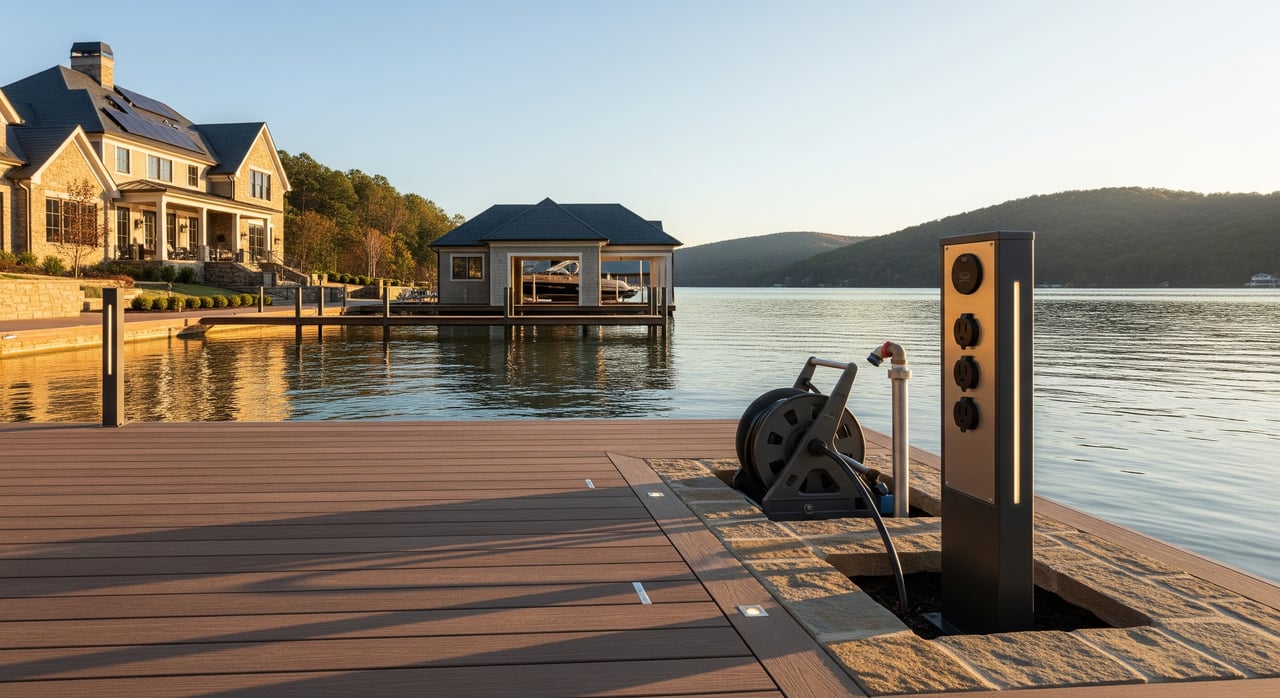
If the dock has electrical service, verify its condition and capacity for your intended use. Consider:
- A licensed electrician experienced with waterfront installations to review grounding, GFCI protection, and receptacles.
- Clear labeling of breakers dedicated to dock circuits.
- Routine checks of cords, lights, and boatlift motors for wear or corrosion.
Lake Wylie resources for waterfront owners
Lake levels and generation
Lake Wylie is part of a managed reservoir and hydroelectric system. Levels and flow can change with routine power generation, flood control, and drought management. Get familiar with published lake level information and generation schedules so you can plan dock access, boat outings, and shoreline maintenance.
Shoreline rules and permits
Private docks, boathouses, and shoreline structures may require permits and must meet construction standards and setbacks. Responsibilities can involve multiple authorities, including the power company’s shoreline office, county permitting, and your HOA. Do not assume a structure is grandfathered without documentation. Gather copies of existing permits during closing and keep them with your records.
Water quality and boating
Watch for safety and environmental notices, especially during warm months. State health agencies post harmful algal bloom advisories and other water quality updates that may impact swimming and fishing. For boating, review state regulations and keep your vessel registration current.
First-week logistics checklist
Administrative and utility actions
- Start or transfer electric and water/sewer service effective on your closing date. Save confirmation numbers and your first bill date.
- Confirm trash, recycling, and any bulk pickup schedules. Follow container and set-out rules from your HOA or county service.
- Enroll in alerts for both the county utility and your power company.
Safety, access, and inspections
- Walk the property and shoreline with the seller or an HOA representative. Identify gates, keys, shutoffs, meters, sewer pump or grinder controls, and irrigation timers. Photograph current conditions.
- Test smoke and carbon monoxide detectors and confirm the location of the main water shutoff and electric breaker panel.
- If you have a private sewer pump or lift station, identify the alarm and test it with a service contractor if needed.
- Inspect the dock. Check structure, fasteners, ladders, electrical fixtures, mooring lines, and piles. If you are unsure, schedule a marine contractor inspection.
Insurance, permits, and regulatory follow-ups
- Call your insurance carrier to update your policy for the new waterfront address and confirm coverage for the dock, watercraft, and flood. Even outside mapped flood zones, many waterfront homes benefit from flood insurance. Check county floodplain resources and FEMA maps if you have questions.
- Verify permits for docks, seawalls, or any planned shoreline work. If the seller had permits, keep copies with your closing documents.
- Register boats and personal watercraft as required, and keep safety equipment and registration in the vessel.
Local services and connectivity
- Set up internet, cable, and phone as soon as possible. Availability can vary by street, so schedule installation early.
- Build your local contractor bench. Keep contacts for HVAC, plumbing, electrical, marine services, and septic if applicable. Save at least one after-hours option.
- Introduce yourself to the River Hills HOA or community representative to review dock use, parking, community ramps, and neighborhood contacts.
Seasonal habits for Lake Wylie
- Expect periodic lake level changes. Adjust dock lines and ramps as needed, and watch for shoreline erosion.
- In summer, monitor algae or water quality advisories before swimming or using raw water intakes.
- Before winter or storm seasons, secure loose dock gear, check mooring lines, and confirm your emergency procedures with your utility providers.
What to have ready at closing
Use this quick list to avoid delays during setup:
- Government-issued photo ID.
- Proof of ownership, such as a deed or settlement statement.
- Service address, mailing address, and preferred contact details.
- Closing date for activation and a request for the seller’s final meter read.
- Preferred billing method and autopay choice.
- Notes on irrigation or dock water lines to discuss backflow requirements.
- Emergency contacts for utilities and your preferred service contractors.
Who to contact for official updates
When you need the most current forms, alerts, or rules, go straight to official pages and offices:
- York County Government utility pages for water and sewer account setup, billing, emergency contacts, and backflow requirements.
- Duke Energy for start or stop service, outage reporting, outage maps, and Lake Wylie reservoir information, including lake levels, safety notices, and shoreline guidance.
- South Carolina Department of Health and Environmental Control for water quality and harmful algal bloom advisories.
- South Carolina Department of Natural Resources for boating laws, vessel registration, and safety.
- FEMA and the York County floodplain office for flood maps and elevation details related to flood insurance.
- River Hills HOA or community association for local rules, trash schedules, dock policies, and community amenities.
Your next step
Getting utilities right in week one makes your move easier and safer. Start account transfers ahead of closing, set your alerts, and walk your dock and shoreline with a careful eye. If you want a smooth handoff with local guidance and vendor introductions, reach out. Work With Laura for a calm, well-coordinated move into River Hills. Contact Unknown Company to get started.
FAQs
Who provides water and sewer in River Hills?
- Many homes are served by a York County utility. Confirm the provider and service type in your closing documents or by contacting the county utility office.
How long does utility activation take after closing?
- Some providers can activate the same day if requested before closing, while others take 1 to 5 business days. Start the process several days ahead when possible.
Do I need permits for a dock or shoreline work on Lake Wylie?
- Often yes. Shoreline and dock projects can involve permits and rules from the power company’s shoreline office, county permitting, and the HOA. Collect existing permits during closing.
How do I get Lake Wylie level and hazard alerts?
- Sign up for power company reservoir updates and outage alerts tied to your service address, and monitor state health advisories during algae seasons.
Who maintains a private grinder or lift station at my home?
- Maintenance is typically handled by a licensed marine contractor or plumber familiar with these systems. Your HOA or neighbors can often share local vendor references.